

What to Look for When Buying a Used Car
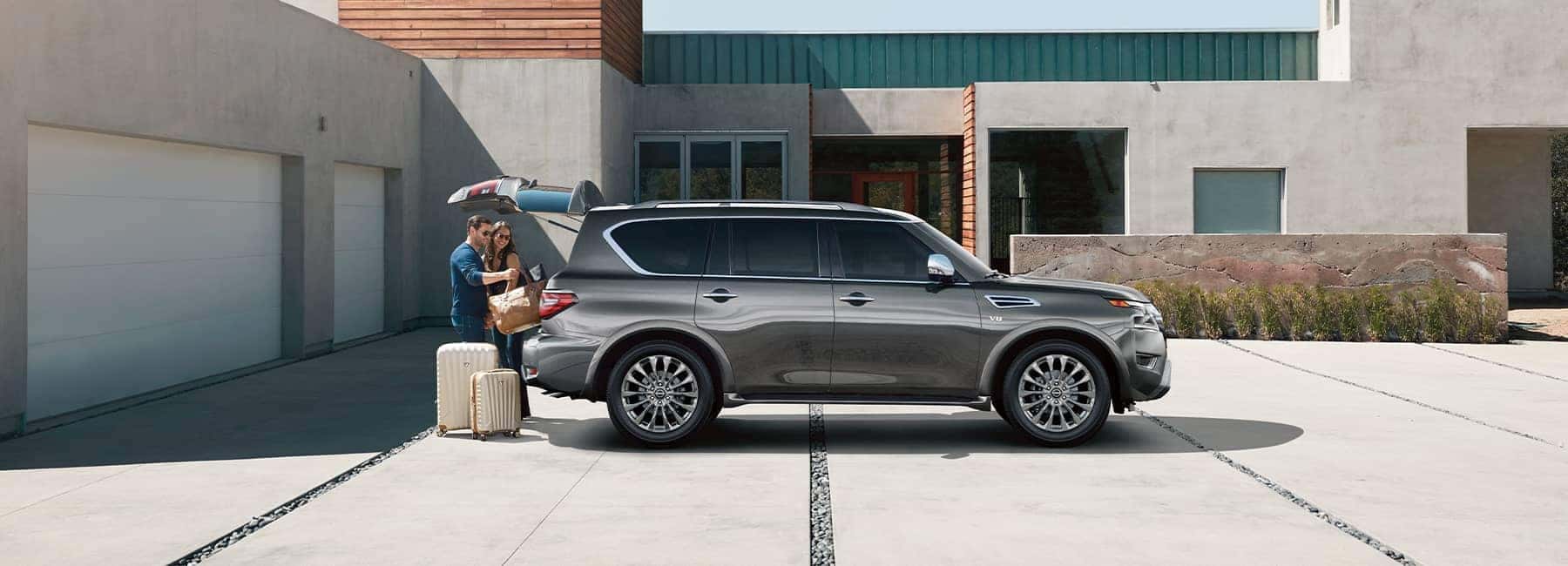
Knowing what to look for when buying a used car can help you compare vehicles based on condition, history, price, and expected ownership costs instead of choosing by appearance or monthly payment alone. A careful purchase includes setting a complete budget, researching the model, reviewing the vehicle’s history, inspecting and test-driving it, checking for recalls, and reading every document before signing.
These tips for buying a used car apply whether you are purchasing your first vehicle, replacing a daily commuter, adding a family car, or searching for a truck or SUV with specific features. Taking the process one step at a time can make it easier to identify a strong candidate and recognize concerns that deserve a closer look.
How to Buy a Used Car: Quick Checklist
Use this checklist as a starting point when buying a used car:
- Choose the body style, features, and capabilities that fit your routine.
- Set a budget that includes ownership costs and financing.
- Research the model, model year, reliability, safety, and market price.
- Request a written out-the-door price.
- Review the vehicle listing and FTC Buyers Guide.
- Read the CARFAX Vehicle History Report and confirm the VIN.
- Check the VIN for unrepaired safety recalls.
- Inspect the exterior, interior, tires, and controls.
- Take a thorough test drive.
- Consider an independent pre-purchase inspection.
- Compare the full financing terms—not only the payment.
- Understand the warranty, service contract, and applicable state laws.
- Make sure every promise and agreed repair appears in writing.
Set a Complete Used Car Budget
Set your budget according to the total cost of buying and owning the vehicle, not only the monthly payment. A low payment may result from a longer loan term and could increase the total amount paid over time.
Your budget should account for:
- Vehicle purchase price
- Sales tax, registration, title, and applicable fees
- Down payment
- Annual percentage rate and loan term
- Monthly payment and total of payments
- Insurance premiums
- Fuel or charging costs
- Routine maintenance
- Upcoming tires, brakes, or other service
- Optional warranty or service-contract costs
Ask for the out-the-door price in writing so you can compare the full transaction rather than advertised prices alone. A written quote can also help you identify optional products, fees, or conditions before you visit.
Choose a Used Vehicle That Fits Your Routine
The right used vehicle should meet the needs you have most days, not only an occasional situation. Start by identifying the passenger space, cargo room, efficiency, and capabilities you regularly need.
Consider:
- How many passengers you usually carry
- Child-seat installation and rear-seat access
- Trunk, cargo-area, or truck-bed needs
- Daily commuting distance
- Gas, hybrid, plug-in hybrid, or electric power
- Front-wheel drive, rear-wheel drive, AWD, or four-wheel drive
- Towing and payload needs
- Parking space and maneuverability
- Safety and driver-assistance features
- Insurance and expected maintenance costs
A compact sedan may make sense for an I-295 commute or regular trips toward Providence, while a family carrying strollers, sports equipment, or additional passengers may prefer an SUV or minivan. A pickup can be useful for work equipment and home projects, but it may require more fuel and parking space.
Research the Model, Model Year, and Market Price
Research the exact model year and configuration before deciding that a used vehicle is a good value. Two vehicles with the same model name may have different engines, transmissions, safety technology, reliability patterns, and maintenance requirements.
Useful research areas include:
- Reliability information for the specific model year
- Safety ratings and installed driver-assistance systems
- Recommended maintenance
- Common repair concerns
- Fuel economy or electric range
- Trim-level and powertrain differences
- Whether the model was redesigned that year
- Prices for comparable vehicles with similar mileage and equipment
Mileage and age matter, but neither tells the complete story. A higher-mileage vehicle with consistent maintenance may be a better choice than a lower-mileage vehicle with neglected service, unresolved damage, or long periods of inactivity.
Read the FTC Buyers Guide
Dealers generally must display an FTC Buyers Guide on each used vehicle they offer for sale and provide the final version to the buyer. The Guide identifies whether the dealer is offering warranty coverage or selling the vehicle “as is,” where permitted, and provides other important reminders about the purchase.
The Buyers Guide tells shoppers to:
- Get promises in writing
- Obtain a vehicle-history report
- Check for open safety recalls
- Ask about an independent mechanical inspection
- Review warranty information carefully
- Keep the final Guide after the sale
The Buyers Guide is not the same as a vehicle-history report, mechanical inspection, warranty document, or service contract. State laws may also provide rights beyond those summarized by the federal form. Check the rules through your state attorney general, motor vehicle agency, or consumer protection office.
Review the CARFAX Vehicle History Report
A CARFAX Vehicle History Report can provide a useful record of information reported about a specific vehicle. Nucar Toyota of North Attleboro provides a free CARFAX Vehicle History Report with every used vehicle it sells, giving shoppers an opportunity to review the available history while comparing vehicles.
Depending on the information reported to CARFAX, a report may include:
- Vehicle registration history
- Title information, including reported salvage or junk titles
- Reported odometer readings
- Lemon history
- Total-loss information
- Theft and recovery information
- Reported structural damage
- Accident indicators, including reported airbag deployment
- Reported service and repair information
- Prior vehicle use, such as personal, rental, lease, taxi, or commercial use
- Recall information reported to CARFAX
Review the report chronologically rather than relying only on labels such as “one owner” or “no accidents reported.” Look for mileage changes, title concerns, changes in vehicle use, damage entries, or gaps that deserve an explanation.
A CARFAX report does not contain every event in a vehicle’s life. Accidents, repairs, maintenance, or damage that were not reported to CARFAX may not appear. A clean report does not guarantee that the vehicle has never been damaged or that it has no mechanical concerns.
Use the CARFAX report together with a physical inspection, test drive, available maintenance records, VIN-based recall search, and an independent inspection when appropriate.
Confirm That the VIN Matches
Compare the 17-character vehicle identification number on the CARFAX report with the VIN shown on the dashboard, driver-side door area, Buyers Guide, online listing, and purchase documents. Resolve any mismatch before continuing with the transaction.
Check the VIN for Unrepaired Safety Recalls
Use the National Highway Traffic Safety Administration’s VIN lookup to check whether the vehicle has certain unrepaired safety recalls. Search the individual vehicle’s 17-character VIN rather than relying only on a year, make, and model search.
A VIN search may identify an unrepaired recall associated with that vehicle. It may not display completed recalls, some recently announced recalls, older recalls outside the database range, or non-safety manufacturer service campaigns.
If the search identifies an open recall, review the recall instructions and ask how the remedy can be completed. Evaluate recall status alongside the CARFAX report, maintenance records, and physical condition.
Inspect the Used Car Carefully
A visual inspection can reveal wear, damage, missing equipment, or maintenance needs that may affect your decision. View the vehicle in good lighting and allow enough time to look beyond its overall appearance.
What to Check on the Exterior
- Mismatched paint or uneven body-panel gaps
- Dents, deep scratches, corrosion, or poorly repaired damage
- Cracked lights, mirrors, or glass
- Water or moisture inside exterior lights
- Fluid spots beneath the vehicle
- Doors, hood, trunk, tailgate, or liftgate that do not open smoothly
- Missing trim, loose panels, or damaged weather seals
What to Check on the Tires
- Remaining tread depth
- Cracks, bulges, punctures, or sidewall damage
- Uneven wear that may indicate an alignment or suspension concern
- Matching tire sizes and compatible tire types
- Tire age
- The spare tire or mobility kit, when equipped
What to Check Inside the Vehicle
- Warning lights during startup
- Seat, seat-belt, and head-restraint operation
- Heating and air conditioning
- Power windows, locks, mirrors, and seats
- Infotainment, audio, navigation, and smartphone connectivity
- Backup camera, parking sensors, and driver-assistance features
- Water stains, damp carpeting, mildew, or unusual odors
- Wear that appears inconsistent with the displayed mileage
- Keys, remotes, charging cables, manuals, and accessories
What to Check Under the Hood
Look for visible leaks, damaged wiring, loose components, unusual odors, corrosion, or improvised repairs. A professional inspection is more appropriate for evaluating the mechanical condition beneath the vehicle or inside major systems.
Take a Thorough Test Drive
A meaningful test drive should recreate the conditions in which the vehicle will normally be used. Include ordinary local roads, stop-and-go traffic, parking, and a highway segment when practical.
Pay attention to:
- How easily the engine or vehicle starts
- Acceleration and power delivery
- Transmission operation
- Steering feel and whether the vehicle tracks straight
- Braking response
- Ride comfort over different road surfaces
- Unusual noises, vibrations, odors, or warning messages
- Visibility while turning, changing lanes, and backing up
- Low-speed maneuverability and parking
- Heating, air conditioning, infotainment, and camera operation
- Comfort for the people who will regularly use the vehicle
Turn the audio system down during part of the drive so you can listen for noises from the engine, drivetrain, suspension, brakes, or cabin.
Consider an Independent Pre-Purchase Inspection
A vehicle-history report and dealer inspection do not replace an independent mechanical inspection. The FTC recommends considering an inspection by an independent mechanic before buying a used vehicle, including one that has been certified or inspected by the dealer.
Ask what inspection information is already available and whether an independent pre-purchase inspection can be arranged. Policies, insurance requirements, and logistics may vary, so discuss the process before finalizing the purchase.
Request a written inspection report that identifies the vehicle by make, model, and VIN. It may help uncover current concerns, worn components, previous repairs, upcoming maintenance, or estimated repair costs.
Used-Car Red Flags That Deserve a Closer Look
A concern does not always mean that you should reject a vehicle, but it should be explained and evaluated before you proceed.
- The VIN does not match across the vehicle, history report, and documents.
- The title status or a history-report entry cannot be clearly explained.
- Warning lights remain illuminated after startup.
- Wear or damage appears inconsistent with the mileage or reported history.
- The seller discourages a reasonable inspection request without explaining the limitation.
- The final price includes products or charges that were not clearly discussed.
- Promised repairs or included equipment are not listed in writing.
- The conversation focuses only on monthly payment rather than the total cost.
- Important keys, charging equipment, manuals, or accessories are missing.
Compare Used, Certified Pre-Owned, and Private-Party Vehicles
Traditional Used Vehicles
Traditional used inventory can include many makes, model years, mileage levels, prices, and features. Warranty status and inspection processes may vary by vehicle, so review the Buyers Guide and individual documentation.
Certified Pre-Owned Vehicles
A genuine manufacturer-certified vehicle must meet that manufacturer’s age, mileage, inspection, and program requirements. Certification may include program-specific warranty coverage or other ownership benefits. Confirm that the vehicle is officially enrolled in the manufacturer’s program and review the current terms. Shoppers considering a Toyota can explore available Toyota Certified Used Vehicles.
Private-Party Vehicles
A private-party purchase may offer a different pricing and negotiation experience, but the buyer may need to manage more of the title verification, lien review, payment security, registration, inspection, and paperwork.
Massachusetts law requires a private seller to disclose known defects that impair safety or substantially impair the vehicle’s use. Under qualifying circumstances, a buyer may be able to cancel the sale within 30 days if the seller knew about such a defect and failed to disclose it. These rules apply to qualifying Massachusetts transactions. Buyers in other states should check their own state’s private-sale disclosure, title, inspection, and cancellation laws.
Compare Financing and the Total Purchase Cost
When financing a used car, compare the complete terms rather than selecting an offer based only on monthly payment.
Review:
- Vehicle price
- Out-the-door amount
- Down payment
- Trade allowance and any existing loan payoff
- Amount financed
- Annual percentage rate
- Loan term
- Monthly payment
- Total of payments
- Optional products and their individual costs
- Any prepayment terms
Ask questions before signing and confirm that the documents match the agreement you discussed. You can also apply for financing online or estimate your trade value as part of your planning.
Understand Warranties, Service Contracts, and State Law
The FTC Buyers Guide indicates whether the dealer is offering warranty coverage or selling the vehicle “as is,” where permitted. State law may provide additional rights even when the federal form says “As Is—No Dealer Warranty.” Review the complete documents and check the laws in the state where the transaction takes place.
- Manufacturer warranty: Original factory coverage that may remain based on time, mileage, ownership, and warranty terms.
- Dealer warranty: Coverage provided by the selling dealer under the written terms supplied with the vehicle.
- Certified pre-owned warranty: Coverage included under a manufacturer’s official certification program.
- Service contract: A separate agreement that may cover specified repairs under its own terms, limits, exclusions, and cost.
- As is: A federal Buyers Guide disclosure indicating that the dealer is not providing a dealer warranty. State law may still provide implied warranties or other protections.
Do not rely on spoken promises alone. If the seller agrees to repair something, supply missing equipment, provide coverage, or complete work after the sale, make sure the agreement appears in writing.
Massachusetts Used Vehicle Warranty Law
Qualifying cars, vans, and trucks purchased from a Massachusetts dealer for personal or family use may receive statutory warranty protection when they cost at least $700 and have fewer than 125,000 miles at the time of sale. The protection period is generally based on the mileage at purchase:
- Under 40,000 miles: 90 days or 3,750 miles
- 40,000 to 79,999 miles: 60 days or 2,500 miles
- 80,000 to 124,999 miles: 30 days or 1,250 miles
Eligibility, covered defects, repair obligations, exclusions, and potential remedies are governed by the complete Massachusetts law and official guidance. The statutory protection for a qualifying vehicle cannot be waived.
These provisions apply to qualifying Massachusetts dealer transactions. Buyers outside Massachusetts should check their state attorney general, motor vehicle agency, or consumer protection office for local used-car warranty and lemon-law protections.
Massachusetts Failed Inspection Law
A buyer may qualify to cancel a Massachusetts vehicle sale if the vehicle fails a required inspection within seven days of the sale and the estimated cost of repairing safety-related defects exceeds 10% of the purchase price. Additional eligibility, documentation, and timing requirements apply.
This rule applies to qualifying Massachusetts transactions. Buyers in other states should check their local inspection deadlines, emissions requirements, refund rights, and seller obligations.
This summary is general consumer information and is not legal advice. Review the official state guidance for complete requirements.
Review the Final Paperwork Before Signing
Take time to review the final paperwork even if you have already spent several hours shopping or negotiating. Confirm that every figure and promise matches your understanding.
Check:
- Vehicle year, make, model, trim, mileage, and VIN
- Agreed selling price and out-the-door total
- Taxes and fees
- Trade-in value and payoff information
- Down payment
- APR, loan term, monthly payment, and total of payments
- Warranty or “as is” status
- Optional products and their costs
- Agreed repairs or included accessories
- Delivery or pickup terms
- Number of keys and included equipment
Keep copies of the purchase agreement, Buyers Guide, warranty or service-contract documents, financing agreement, odometer disclosure, and other signed paperwork.
Frequently Asked Questions About Buying a Used Car
What mileage is too high for a used car?
No single mileage automatically makes a used car a poor choice. Consider the vehicle’s age, model-year history, maintenance records, condition, prior use, inspection results, and price together. A properly maintained higher-mileage vehicle may be preferable to a lower-mileage car with neglected maintenance or unresolved damage.
Is a CARFAX report enough when buying a used car?
No. A CARFAX Vehicle History Report is an important tool, but it may not include every accident, repair, service visit, or mechanical problem. Use it with a physical inspection, test drive, recall check, available records, and an independent inspection when appropriate.
Should I buy a used car with an accident on its history?
An accident entry does not automatically make a vehicle unacceptable. Consider the severity and location of the damage, whether airbags deployed, the quality of the repairs, title status, alignment, safety-system operation, inspection results, and whether the price reflects the vehicle’s history.
Is a certified pre-owned car the same as a regular used car?
No. A manufacturer-certified vehicle must meet that manufacturer’s eligibility, inspection, condition, and program requirements. Certified vehicles may also include program-specific warranty and ownership benefits that do not automatically apply to a regular used vehicle.
Should I focus on the price or monthly payment?
Review both, but do not evaluate affordability by monthly payment alone. Compare the out-the-door price, amount financed, APR, loan length, payment, optional products, and total of payments.
Can I return a used car within three days?
Federal law does not generally require a dealer to give buyers three days to cancel a vehicle purchase. A return right may come from a written dealership policy or a specific state law. Ask about the return policy before buying, get it in writing, and check the rules in the state where the transaction occurs.
What rights do Massachusetts used-car buyers have?
Qualifying Massachusetts transactions may be covered by the state’s Used Vehicle Warranty Law, Failed Inspection Law, or private-party disclosure rules. Eligibility and remedies depend on factors such as the seller, purchase price, mileage, vehicle use, inspection timing, and type of defect. Buyers outside Massachusetts should check their own state’s used-car, lemon-law, inspection, and return protections.
Find a Used Car in North Attleboro
Buying a used car becomes more manageable when you can review the vehicle’s history, compare several options, and take enough time to evaluate the details that matter. Nucar Toyota of North Attleboro provides a free CARFAX Vehicle History Report with every used vehicle it sells, helping shoppers review available history while comparing condition, mileage, features, and price.
Browse current used vehicles, explore Toyota Certified Used options, estimate your trade, or review financing resources online. Visit Nucar Toyota of North Attleboro at 620 South Washington Street to compare vehicles that fit your routine, because Everyone Loves A Nucar!
References
- Federal Trade Commission: Buying a Used Car From a Dealer
- Federal Trade Commission: Used Car Buyers Guide
- National Highway Traffic Safety Administration: Recall Lookup
- CARFAX: What Is Included in a Vehicle History Report?
- CARFAX: Nucar Toyota of North Attleboro
- Massachusetts Guide to Used Vehicle Warranty Law
- Massachusetts Guide to Failed Inspection Law
- Massachusetts Private-Party Car Sales Guide
- USAGov: State Consumer Protection Offices
0 comment(s) so far on What to Look for When Buying a Used Car