

2027 Toyota Highlander EV Charging Guide for New England Drivers
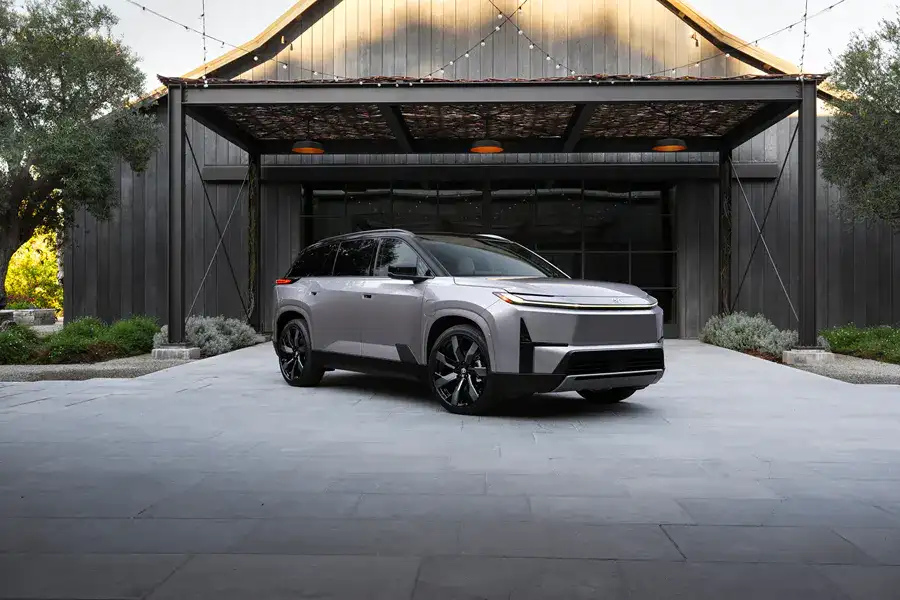
The 2027 Toyota Highlander brings the trusted three-row Highlander name into a new all-electric chapter. For families around North Attleboro, that means everyday Toyota familiarity, three rows of seating, modern cabin technology, and charging features designed to make EV ownership easier to understand.¹
For many shoppers, the first big question is practical: how do I charge it, and how does it fit my real routine? The 2027 Highlander is built with useful charging tools, including a standard North American Charging System port, Level 1 and Level 2 AC charging capability, DC fast-charging capability, Plug & Charge capability on selected charging networks, and battery preconditioning for fast-charging stops.¹
Here’s a simple look at what those terms mean, how they help, and how smart cold-weather habits can help drivers make the most of each charge during New England winters.
Quick Answers About 2027 Toyota Highlander EV Charging
Does the 2027 Toyota Highlander EV have a NACS charging port?
Yes. The 2027 Highlander comes standard with a North American Charging System port.¹
Can the 2027 Highlander charge at home?
Yes. The 2027 Highlander offers Level 1 and Level 2 AC charging capability, giving owners options for standard outlet charging and faster 240-volt charging setups.¹
How fast can the 2027 Highlander DC fast charge?
The 2027 Highlander can charge from 10% to 80% battery capacity in approximately 30 minutes under ideal DC fast-charging conditions.¹
What is battery preconditioning?
Battery preconditioning helps bring the battery to a better temperature before a DC fast-charging stop, which can support a more efficient charging session. The 2027 Highlander can activate this manually through system settings or automatically through navigation with an active Drive Connect trial or subscription.¹
What helps preserve EV range in cold weather?
Helpful habits include using battery preconditioning before fast charging, keeping tires properly inflated, driving smoothly, planning charging around your daily routine, and using cabin heat thoughtfully.³
Three Ways to Charge the 2027 Toyota Highlander
The 2027 Highlander gives drivers multiple ways to charge, so the right setup can depend on how you drive, where you park, and how often you take longer trips.
Level 1 Charging
Level 1 charging uses a standard household-style outlet. It is the simplest option and can be useful for light daily driving, occasional top-offs, or drivers who are still planning a home charging setup. It is not the fastest way to charge, but it can add convenience when the vehicle is parked for longer stretches.
Level 2 Charging
Level 2 charging is the option many EV owners consider for home charging. It uses a 240-volt power source and can add charge more quickly than a standard outlet. For a family SUV like the 2027 Highlander, Level 2 charging can make the daily routine feel natural: plug in after work, set a charging schedule, and start the next morning ready for school drop-offs, North Attleboro Center stops, or the commute toward Attleboro commuter rail.
DC Fast Charging
DC fast charging is built for longer trips and faster public charging stops. Toyota says the 2027 Highlander can charge from 10% to 80% battery capacity in approximately 30 minutes under ideal conditions when using DC fast charging.¹ That kind of capability matters when the family calendar includes highway miles, weekend travel, or a longer drive beyond the normal Bristol County routine.
What NACS Means for Highlander Drivers
The 2027 Toyota Highlander comes equipped with a standard North American Charging System port. NACS is important because it is becoming a key charging connection across the U.S. market and gives Highlander drivers access to thousands of DC fast-charging stations nationwide.¹
For shoppers new to EVs, the takeaway is simple: the charging connector is not an afterthought. Toyota is giving the Highlander a modern charging setup intended to support broader public charging access as EV infrastructure continues to grow.
How Plug & Charge Makes Public Charging Easier
Plug & Charge capability can help simplify the public charging experience on selected charging networks. Instead of juggling multiple apps at every stop, Plug & Charge is designed to help with automatic identification, authentication, and authorization once the vehicle is plugged in.¹
For busy families, that kind of convenience matters. A charging stop after a weekend in Mansfield or on the way back from a trip down toward the Rhode Island line should feel straightforward, not like another task to manage. Network access, account setup, subscriptions, and compatibility can vary, so it is still worth reviewing the details when the vehicle goes on sale.
Battery Preconditioning: The Cold-Weather Feature to Know
Battery preconditioning is one of the most useful charging features for New England drivers. In simple terms, it helps bring the battery to a better temperature for DC fast charging.
That is especially helpful in cold weather. When the battery is already prepared for a fast-charging stop, the charging session can work more efficiently. Toyota says the feature can be activated manually through system settings or automatically through an active Drive Connect trial or subscription when the navigation system is set to a fast-charging station.¹
This is the kind of feature that makes winter EV driving easier to manage. Instead of thinking about cold weather as a problem, think of preconditioning as part of the routine: pick the charging stop in the navigation system, let the Highlander prepare the battery when the required connected-service conditions are met, and arrive ready to charge.
Simple Cold-Weather Tips to Help Preserve Range
New England winter driving rewards a little preparation. The 2027 Highlander is built with modern EV tools, and a few smart habits can help drivers make the most of each charge during colder months.
Use Pre-Trip Climate Settings When Available
When your setup and vehicle settings allow, warming the cabin while the Highlander is still plugged in can help make the vehicle comfortable before the drive begins. That lets the charging source help with cabin comfort before the trip, instead of relying only on battery energy once the vehicle is underway.³
This is a useful habit for cold school mornings, early commutes, and weekend errands around East Washington Street or North Attleboro Center. Start warm, unplug, and go.
Use the Seat Heaters Strategically
Heated seats warm the people in the cabin directly. On milder winter days, using heated seats along with a moderate cabin temperature can help keep everyone comfortable without asking the climate system to do all the work.³
The 2027 Highlander includes standard heated front seats, with ventilated front seats and heated second-row seats available.¹ That gives families more ways to stay comfortable when the temperature drops.
Let the Navigation Help Before Fast Charging
When a DC fast-charging stop is part of the trip, setting the destination in the navigation system can help the available automatic battery preconditioning feature prepare the vehicle before arrival, when the required connected-service conditions are met.¹
That is useful for longer winter drives because it makes charging part of the route plan instead of a last-minute decision.
Keep Tire Pressure Where It Should Be
Cold weather can affect tire pressure, and proper tire inflation supports efficiency, handling, and tire wear. Make it part of the winter routine to check tire pressure and follow the recommended settings for the vehicle.³
That little habit helps on everything from I-95 commuting to quick local errands near Attleboro Falls or Route 152/Kelley Boulevard.
Drive Smoothly When You Want Maximum Efficiency
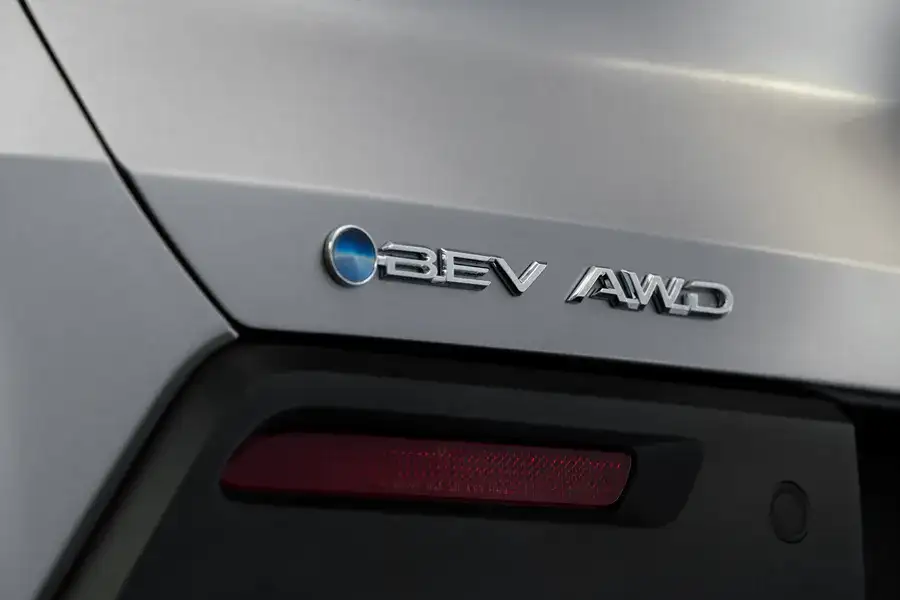
Electric motors deliver quick response, and the 2027 Highlander AWD models offer up to 338 combined system horsepower.¹ Smooth acceleration, steady cruising, and smart use of regenerative braking can help the vehicle use energy more efficiently.³
That does not mean driving timidly. It simply means letting the Highlander’s quiet electric power work with you instead of against your range goals.
Plan Charging Around the Day You Actually Have
Most local driving is predictable. Work, school, groceries, practices, and weekend plans usually follow a pattern. Charging becomes easier when it matches that routine.
A Level 2 home setup can be a strong fit for many EV households, while public DC fast charging can support longer drives. Drivers who already know their weekly rhythm can build a charging routine that feels as normal as charging a phone overnight.
Why the 2027 Highlander Makes Sense for EV-Curious Families
The 2027 Toyota Highlander is not just an EV with a familiar name. It is a three-row Toyota SUV built for families who want space, technology, and electric driving without giving up everyday practicality.
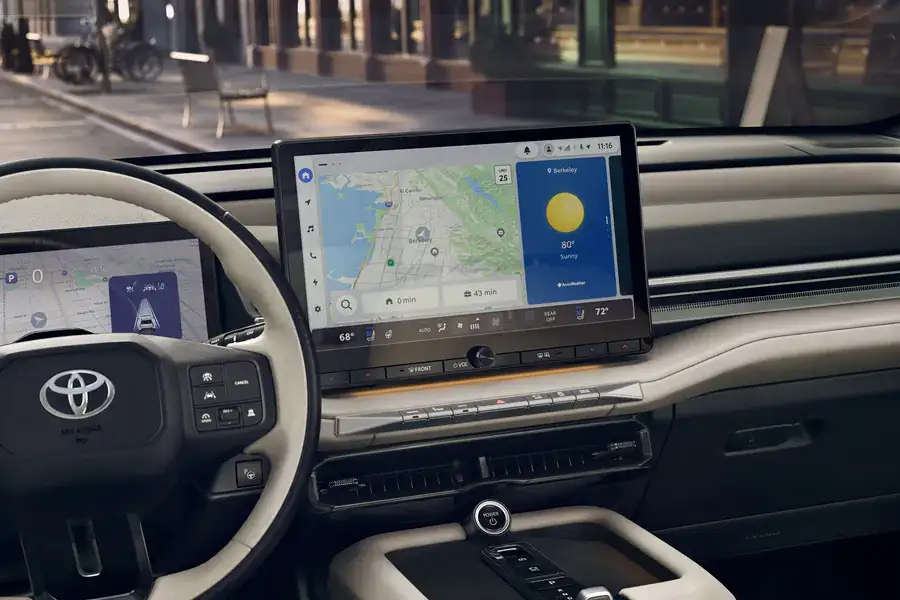
Toyota has confirmed seating for up to seven, more than 45 cubic feet of rear storage with the third row folded flat, standard Toyota Safety Sense 4.0, a 14-inch touchscreen, wireless Apple CarPlay and Android Auto compatibility, USB-C charging throughout the cabin, and available all-wheel drive. The lineup is expected to include XLE and Limited grades, giving shoppers clear choices without making the decision process overly complicated.¹
For New England drivers, the appeal is easy to understand. The 2027 Highlander can handle daily family needs, support public fast charging for longer trips, and give shoppers useful cold-weather charging tools like battery preconditioning. It is an electric SUV built to feel approachable, not unfamiliar.
2027 Toyota Highlander EV Charging FAQ
Does the 2027 Toyota Highlander EV have a NACS charging port?
Yes. Toyota says the 2027 Highlander comes standard with a North American Charging System port, giving drivers access to a growing public charging network.¹
Can I charge the 2027 Toyota Highlander at home?
Yes. Toyota lists Level 1 and Level 2 AC charging capability for the 2027 Highlander.¹ Many EV shoppers consider a Level 2 home charging setup because it can make overnight charging more convenient for daily use.
How does battery preconditioning help in cold weather?
Battery preconditioning helps prepare the battery before a DC fast-charging stop. In colder weather, that preparation can help the vehicle charge more efficiently when it arrives at a compatible fast charger.¹
Is the 2027 Toyota Highlander available with AWD?
Yes. Toyota says the 2027 Highlander will offer front-wheel drive and all-wheel drive configurations, depending on grade and battery configuration.¹
What is the estimated range of the 2027 Toyota Highlander EV?
Toyota lists an up-to manufacturer-estimated 320-mile range for XLE AWD and Limited AWD models equipped with the 95.8-kWh battery.¹ Final range can vary by configuration and driving conditions, so shoppers should review the exact model details when pricing and availability are released.
When can I ask Nucar Toyota of North Attleboro about 2027 Highlander updates?
You can contact Nucar Toyota of North Attleboro now to ask about 2027 Highlander updates, compare current Toyota SUV options, and discuss what an all-electric Highlander could mean for your daily routine.
Stay Updated on the 2027 Toyota Highlander in North Attleboro
The 2027 Toyota Highlander is expected to arrive soon, with pricing and final availability details to be announced closer to release.¹ Nucar Toyota of North Attleboro can help local shoppers follow updates, compare current Toyota SUV options, and talk through charging basics in a clear, practical way.
Drivers interested in the next-generation Highlander can contact Nucar Toyota of North Attleboro to ask about updates, charging questions, and future availability. From South Washington Street errands to family trips across the Massachusetts and Rhode Island line, the 2027 Highlander is shaping up to be an exciting new Toyota for shoppers ready to take the next step into electric driving. Everyone Loves A Nucar!
Sources
¹ https://pressroom.toyota.com/elevated-style-meets-modern-power-in-the-next-generation-2027-toyota-highlander/
² https://www.toyota.com/upcoming-vehicles/highlander/
³ https://www.caranddriver.com/features/a70855865/ev-electric-car-10-ways-to-maximize-range/
⁴ https://apnews.com/article/electric-vehicle-charging-tesla-frigid-temperatures-2c85e3455d49a86c12d1ba59a235cd4b
0 comment(s) so far on 2027 Toyota Highlander EV Charging Guide for New England Drivers